



Director of HR after the merger: this is what we have done to ensure well-being
By way of various initiatives, Nykredit has sought to ensure employee well-being during its merger with Spar Nord, explains Trine Ahrenkiel, Senior Group Director of HR, Communications and Marketing. She believes that the Group is in a much better position today, and she also encourages employees to ask for help if they are unhappy.
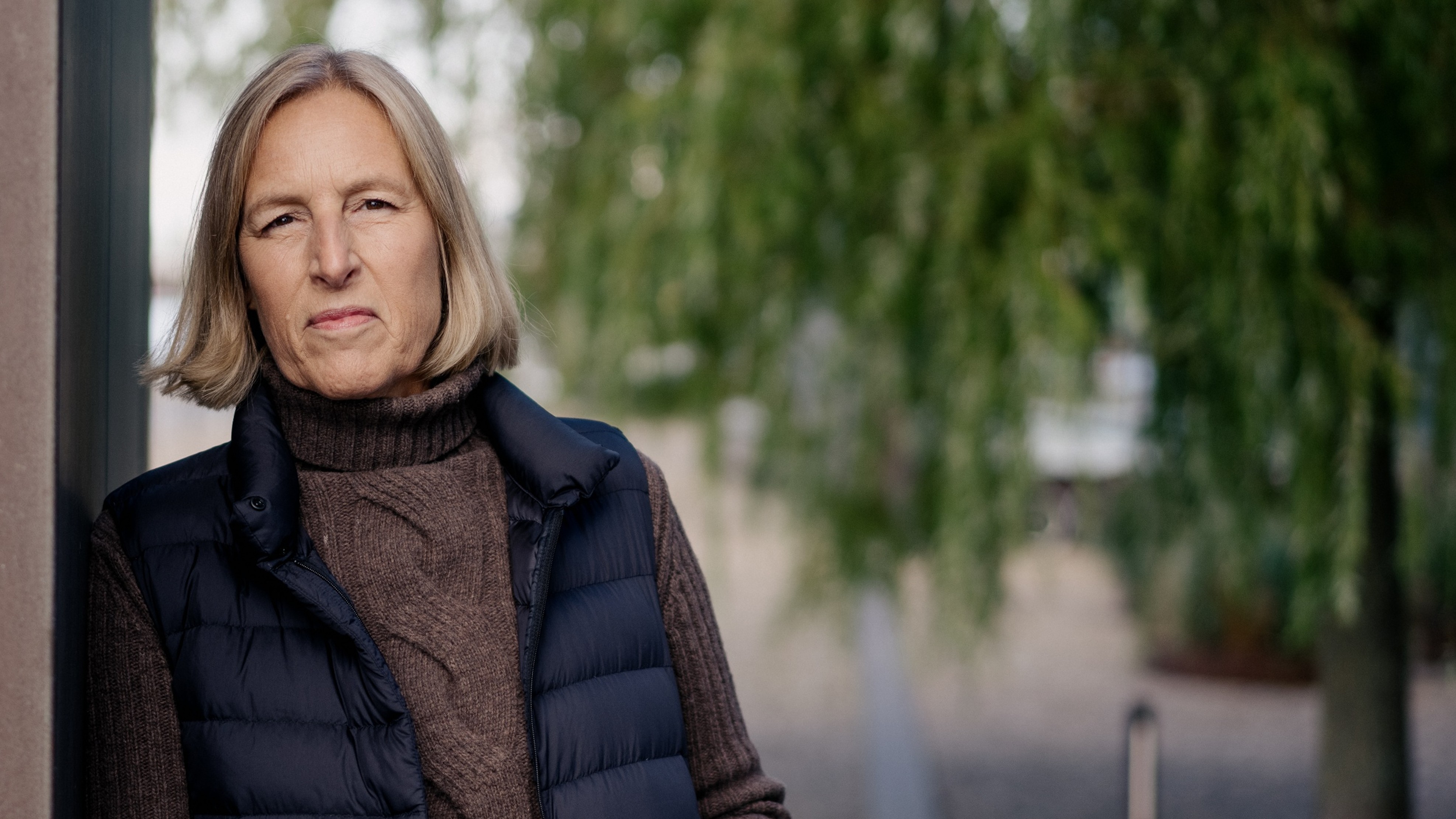
“I think many of my colleagues at Nykredit will recognise the up-to-the-minute account provided by the survey, which was conducted during the three most challenging weeks of the entire merger. It’s only natural that, as a colleague, you’re affected, and that your well-being plunges in such a period because you’re waiting for important news."
“Nevertheless, we’re at a different stage of the change curve now. It’s still challenging in many ways, but overall I think the organisation is resilient and strong, having coped with such a major change,” says Trine Ahrenkiel, noting that Finansforbundet’s survey was conducted immediately before, during and after the announcement of a major organisational restructuring at the end of January.

Leadership training
Throughout the merger process, there has been a strong focus on preparing managers for supporting the employees in the process by arranging special leadership seminars and boot camps, says Trine Ahrenkiel.
“We’ve trained the managers to handle change, to recognise natural reactions from their employees during times of change and to engage in dialogue based on the circumstances that happen to be changing,” she says.
In addition, throughout the process, they have had a wide group of so-called change ambassadors, consisting of ordinary employees, union representatives and health and safety representatives.
“They’ve had to tell management what it’s like to be here right now. We’ve held meetings on Teams and meetings where we’ve made it a priority to meet face-to-face, which has meant that people from both organisations have had to travel across the country,” explains Trine Ahrenkiel, emphasising that this has been an important tool in the merger process.
“To have a formal forum where we all understand that the purpose is to meet to give each other as clear answers as possible and to discuss all the difficult things and all the things that need to be said.”
A difficult time
The Director of HR points out that Nykredit has been actively monitoring employee motivation and well-being throughout the process. The survey results also show that the period around the last week of January, when Finansforbundet's well-being survey was conducted, was particularly difficult. But she points out that the results now look much better. Among other things, the most recent survey from March shows that 81 per cent feel motivated in their jobs, while 79 per cent say they are generally satisfied with being employed with the company.
“Looking back over the past few months, a lot has happened that gives us, as colleagues, a better idea of what our daily lives at work are like today and how they will be in future. I think that’s the difference reflected in the survey conducted by Finansforbundet at a critical time compared to the current situation when many things have been clarified and settled – even though everything is far from perfect,” she says, underlining that there is still a need for paying close attention to how things are going in terms of well-being. Because the situation may differ across the organisation.
“There will be matters, areas, that need more attention. That's perfectly natural. And those are the areas we need to look at so that we can do our best to address the reactions that arise,” she says, explaining that this is precisely one of the things managers are trained to identify.
A better place
She underlines that, as a workplace, Nykredit must be able to recognise, understand and accept that the individual employees are going through a period of clarification, and it may be difficult to focus on other matters than their own personal situation. Moreover, long-term strategic goals are not necessarily at the top of their to-do list.
“I think we are able to do that. We're in a much better place now in our transformation of change," she says, stressing that the work doesn't stop just because everyone has now moved in together and is working with the same systems.
"We also need to follow up on such a major merger. We must continue to be aware of what kind of workplace we are building together. What kind of culture are we creating? Managers play a major role in that,” she claims, adding that a three-day leadership seminar for all Group managers has therefore been planned for this autumn.

Don’t be afraid to ask for help
In addition, time and resources have been devoted to social activities, allowing the individual teams to choose whether they want to go on a picnic in the woods, go to the go-cart track or have a meal together.
“People simply need to spend time together and get to know one another,” she explains.
And if there are still colleagues throughout the Group who are struggling and having a hard time in relation to well-being, Trine Ahrenkiel has a message for them:
“It’s hard to cope with the feeling that you’re sad, unhappy or missing what used to be. It's not easy, and I respect that. Try to see the possibilities of the new situation whenever you can. Don’t be afraid to ask for help. We’re further along the path of change, but we’re still in the midst of it,” she says.

